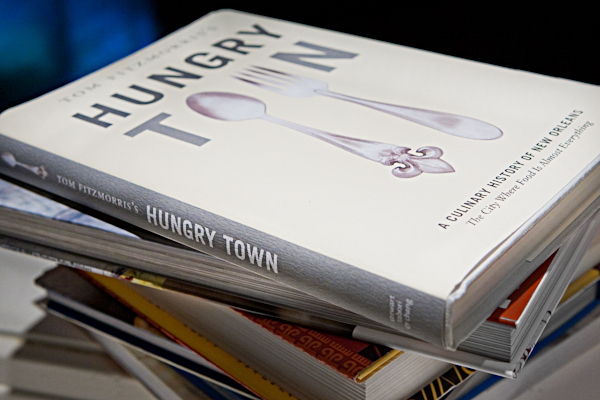
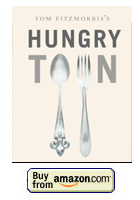
 I needed this. I have been struggling with food from the Crescent City. Show and tell cookbooks weren’t giving me any answers. I needed to get my arms around the food culture. Understand its guts. I have been searching for a conduit to show me the reason why the big N.O. is important. Give me a time line through menus, a history of natural disasters, culinary roadmap of influences, all bound in eggshell off-white paper. I’m not a hard guy to please. It’s true, I read at a fourth grade level. But, this book sings to me. Knowing a place’s history helps me understand it’s current focus and likely trajectory. It’s like the History Channel high on Truffles: Paul Prudhomme (Commanders Palace) begat Emeril Lagasse (Emeril’s), begat Susan Spicer (Bayona), begat Donald Link (Herbsaint). New Orleans has a storied culinary bloodline. Thanks to author Tom Fitzmorris for putting it down on paper. I needed this. I have been struggling with food from the Crescent City. Show and tell cookbooks weren’t giving me any answers. I needed to get my arms around the food culture. Understand its guts. I have been searching for a conduit to show me the reason why the big N.O. is important. Give me a time line through menus, a history of natural disasters, culinary roadmap of influences, all bound in eggshell off-white paper. I’m not a hard guy to please. It’s true, I read at a fourth grade level. But, this book sings to me. Knowing a place’s history helps me understand it’s current focus and likely trajectory. It’s like the History Channel high on Truffles: Paul Prudhomme (Commanders Palace) begat Emeril Lagasse (Emeril’s), begat Susan Spicer (Bayona), begat Donald Link (Herbsaint). New Orleans has a storied culinary bloodline. Thanks to author Tom Fitzmorris for putting it down on paper.
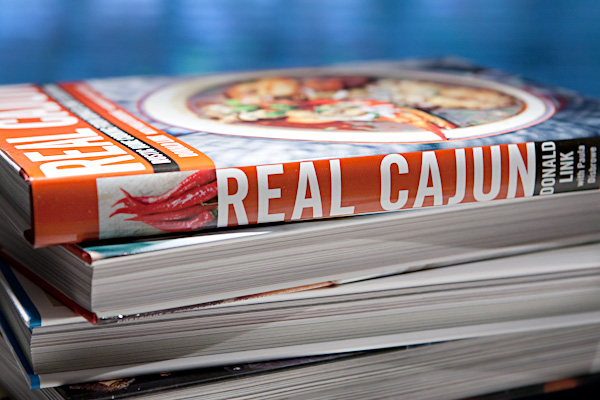
Lately, I’ve been struggling with the food of the great state of Louisiana. I love the idea of Cajun food. I love the history, the influences, the spices. But, apparently, I suck at making it. Just in time to give me a hand is the Donald Link book Real Cajun. It hits on the swamp classics (etouffee, gumbo, oysters and the like), with personal stories to back them up.
The James Beard Foundation recently gave Real Cajun top honors for the category of ‘American Cooking’. It also wins the Austin Food Journal award for ‘Kick-Assness’ due to its local ties. Chef McClung at Jeffrey’s cut his teeth at Link’s top notch New Orleans restaurant Herbsaint. And, it’s co-written by one of my favorite cookbook authors, Austinite Paula Disbrowe.
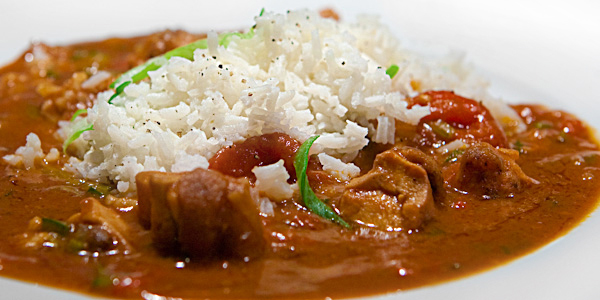
 First out of the gate, Chicken Sauce Piquant (page 123). It is a spicy chicken, pepper and tomato stew. The dish starts out as fried chicken, with the sauce started in the same pan. Tomatoes, onions, garlic, chilies are cooked down with chicken stock and herbs. Gutsy, rich, satisfying. First out of the gate, Chicken Sauce Piquant (page 123). It is a spicy chicken, pepper and tomato stew. The dish starts out as fried chicken, with the sauce started in the same pan. Tomatoes, onions, garlic, chilies are cooked down with chicken stock and herbs. Gutsy, rich, satisfying.
I may be getting over my fear of Cajun cooking. This book is a push in the right direction. Or, it could be the altar to Emeril Lagasse I set up in the pantry. Either way, I’m back on track.
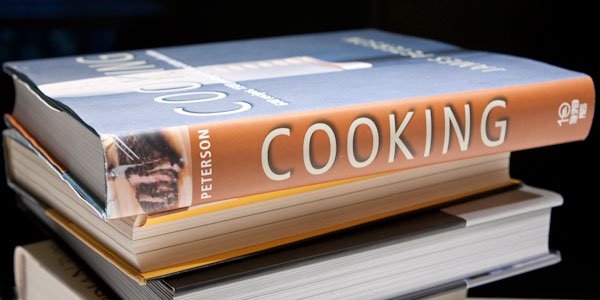
For the longest time, when someone would ask me “What’s a good first cookbook?”, I would recommend Julia Child’s The Way To Cook. Julia and I were having a thing in the 90′s and I want to help her out with book sales. As my personal interests shifted towards books more focused on technique, new recommendations emerged. Now, I’m a fan of Cooking, by James Peterson. It has the right balance. First, the basics: knife sharpening, boning fish, stocks, etc. Then, a wide variety of commonly prepared items: salads, salsas, roasts, pies and many more. Plus, it’s written in a comfortable tone, like your aunt dispensing a family recipe.
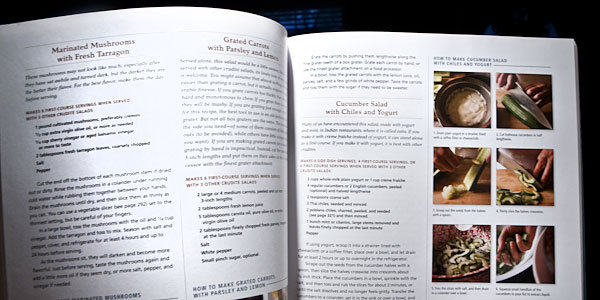
 What bugs me about many cookbooks is that they either don’t explain all you need to know to successfully pull off the item you are creating or they imply that some sort of magic is needed. Mr. Peterson gives you plain talk. Cooking for over 40 years, and teaching cooking for the bulk of it, has given him plenty of time to weed out what works and what doesn’t. “Cooking is based on doing lots of little things correctly without taking shortcuts.” That is about the clearest wisdom I have heard on the subject. What bugs me about many cookbooks is that they either don’t explain all you need to know to successfully pull off the item you are creating or they imply that some sort of magic is needed. Mr. Peterson gives you plain talk. Cooking for over 40 years, and teaching cooking for the bulk of it, has given him plenty of time to weed out what works and what doesn’t. “Cooking is based on doing lots of little things correctly without taking shortcuts.” That is about the clearest wisdom I have heard on the subject.
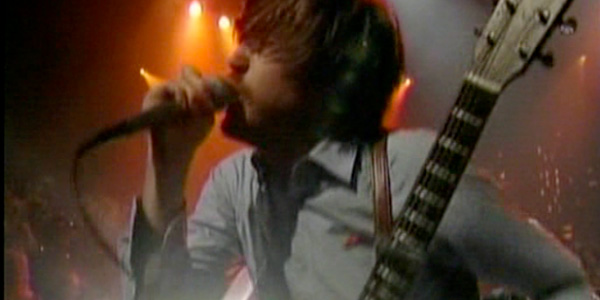
Did you see Okkervil River on Austin City Limits? Holy crap! They killed it! I dig how food and music are intertwined in Austin. Both are creative endeavors that are shared with others (minus that grilled cheese sandwich I made last night at midnight).
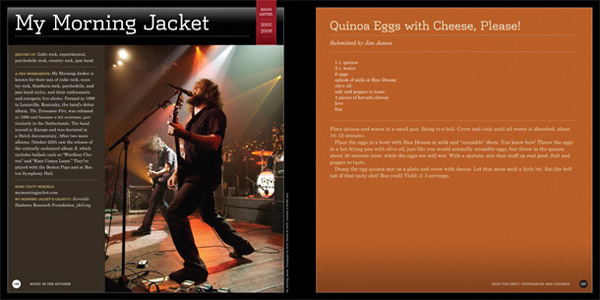
 Glenda Facemire just published a book, Music In The Kitchen, on the grazing habits of bands that have been on Austin City Limits (pre-Okkervil). The recipes are not ground breaking, but it’s fun to see them paired up with the artist. My Morning Jacket are hip to the Quinoa? Who would have guessed. Glenda Facemire just published a book, Music In The Kitchen, on the grazing habits of bands that have been on Austin City Limits (pre-Okkervil). The recipes are not ground breaking, but it’s fun to see them paired up with the artist. My Morning Jacket are hip to the Quinoa? Who would have guessed.
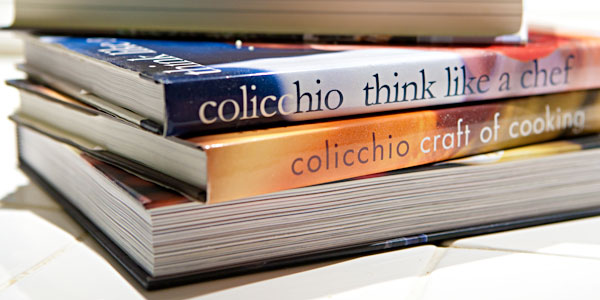
Tom Colicchio originally became famous for cooking food. He is on a TV show judging how other people cook, but it isn’t as interesting to me as who he is as a Chef. I found his first two books to be groundbreaking: Think Like A Chef and Craft of Cooking. They were less of a cookbook, more of a lesson on technique. At the time, complicated French cooking was the ‘in’ thing. Tom wasn’t on that train. His style was focused on single ingredients and how they work together. These books have recipes in them, but the main thing I gleaned was how, why and when to use a particular technique with a particular ingredient. Why braise a rib and not a tenderloin. When to sweat a vegetable. Why fresh stock matters. Building blocks to make me a better cook.
  My favorite section of Think Like A Chef is called Trilogies. He takes three ingredients that are suited to each other (ie: lobster, pasta and peas) and using different techniques, makes many unique dishes. It was a real eye opener and pressed me to think differently about how I cook. My favorite section of Think Like A Chef is called Trilogies. He takes three ingredients that are suited to each other (ie: lobster, pasta and peas) and using different techniques, makes many unique dishes. It was a real eye opener and pressed me to think differently about how I cook.
|
|