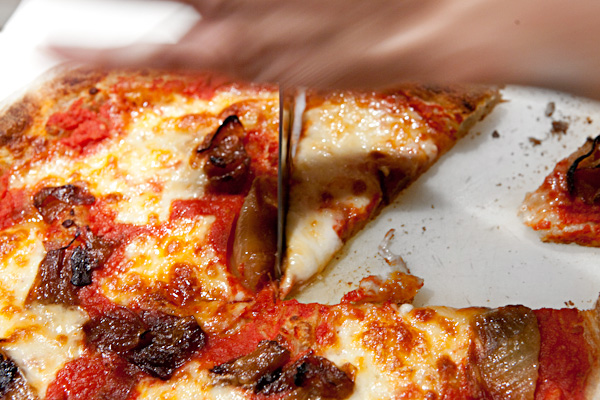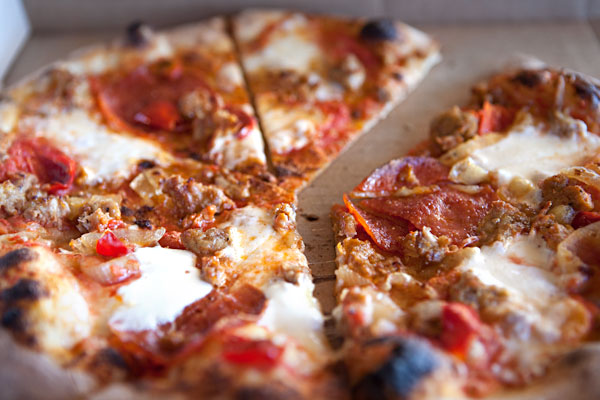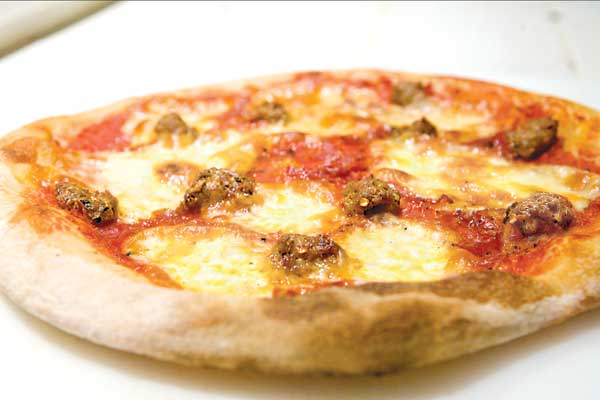
Hot Italian Sausage, Sopprassata, Mozzarella and Smoked Chili Powder
|
||||
|
Hot Italian Sausage, Sopprassata, Mozzarella and Smoked Chili Powder
I thought we did a good job when we launched Bola Frozen Pizza, but I knew we could do better. So, be on the lookout for version two point O dropping at your near by grocer soon.
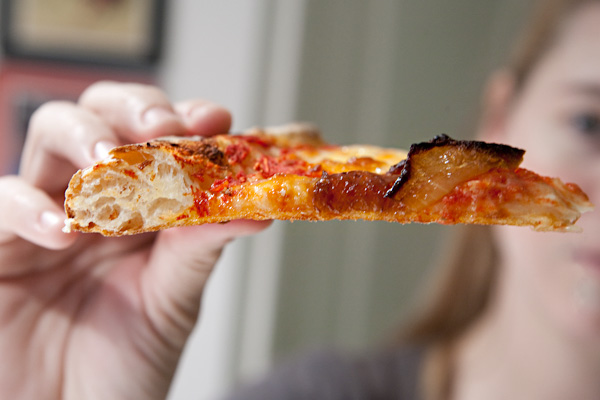
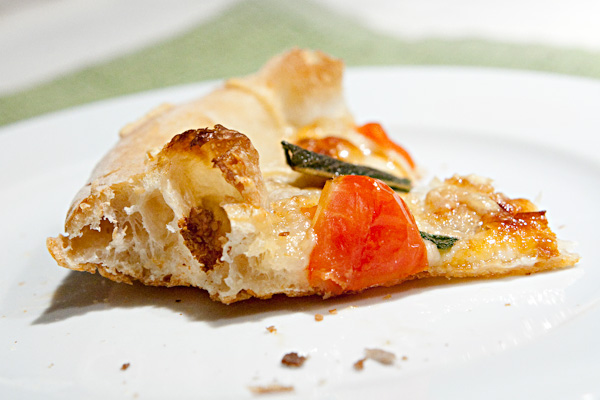
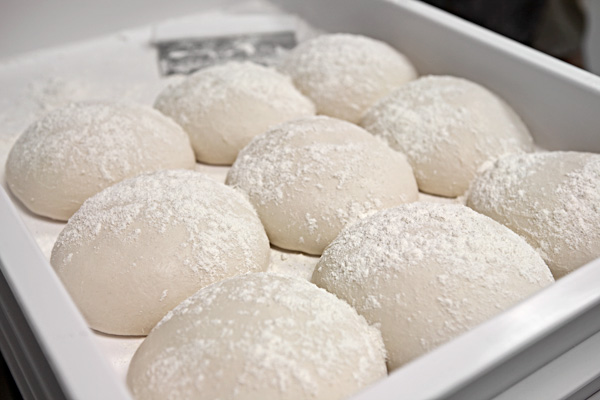
The new version is closer to our ‘cooked to order’ catered pizza. Fluffier crust, gooier cheese, saucier sauce. Same dough, same ingredients, we cook it longer so you don’t have to: shorter cooking times.
The above pictures are the new frozen pizzas, reheated at home: the Godmother and Polka Dot. No smoke and mirrors. We are always looking to improve. Look for the new stamp on the top of the box. Let us know what you think.
Downtown Austin Magazine (DAM) likes Bola Pizza! And we like DAM. Thanks for the mention. Pickup their premier issue at locations around Austin.
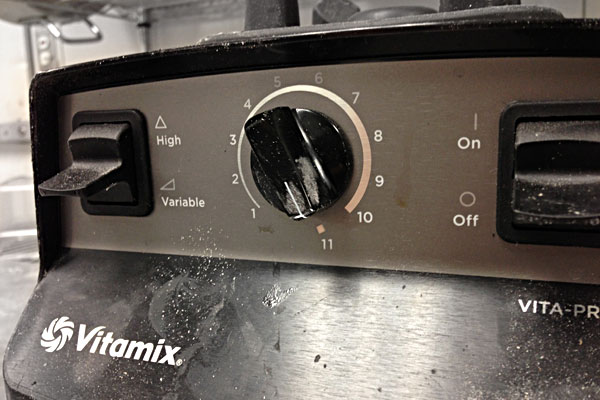
We have a very powerful pizza sauce at Bola Pizza. So, we needed a blender that could handle it. Vitamix made us a special machine that could handle our action.
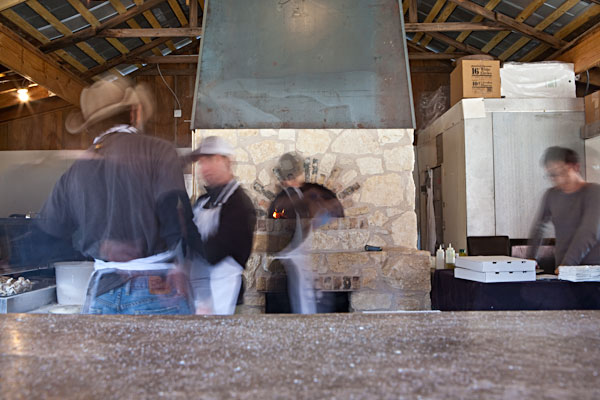
Totally Biased: this is my favorite pizza in Austin, Stanley’s Farmhouse Pizza. It’s on a property in Dripping Springs with Jester King Brewery.
Chad, Mike, Carter and all have done a fantastic job setting up their open-air wood fired pizza joint.
Mike Gatlin, working the board.
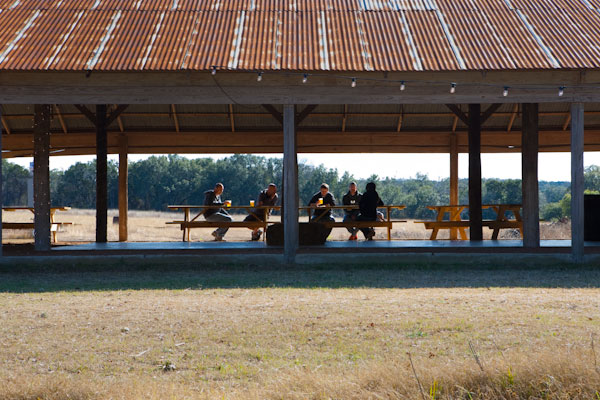
Hill country seating: Hay Pole Barn
Currently open Saturday’s 12:30-4:30. Hopefully more hours soon. Keep your eyes on the horizon.
A little while back, the Austin Food Journal was slowed down by a side project called Bola Pizza. Just wanted to give you a quick update. We have moved into our new kitchen in North Austin! This should let us expand in whatever direction Bola takes us, but not a restaurant for the moment (thanks Eater!).
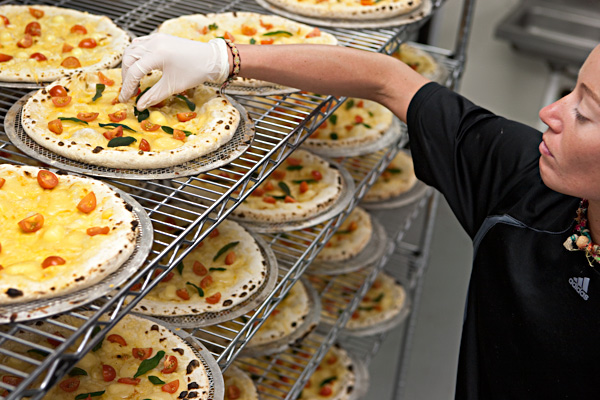
Bola Wood Fired at Home, our frozen pizza, seems to be bonafied. We have happy eaters from all the Central Markets around Texas. Keep an eye out for Jamie cooking up free samples in the first quarter of the year. Whole Foods has also expressed interest in picking us up early this year. Or, maybe look for us in the new Trader Joe’s? We are about half way through getting the go-ahead to wholesale meat pizzas to grocery stores. I know, it’s killing me too. Picture above is Maggie, putting the final touches on our Polka Dot pizza. Catering is picking up speed. We bring our wood fired oven to your event and cook from our full menu. Fresh, hot, cooked to order pizza at your party! Lamb, Bison, Truffle, Mushroom. Check out our full catering Menu.
Bola is on hiatus from the local farmers markets, but if you are hankering for a taste of our fresh cooked pizza’s, check out Stanley’s Farmhouse Pizza. They are located in Dripping Springs next door to Jester King Brewery. We helped them get rolling with our style of dough and sauce. There is a reasonable chance that you will see me sitting at the bar. (It’s fun to let someone else do the cooking!)  |
   


| |||
Sponsor Micro-Sites |